
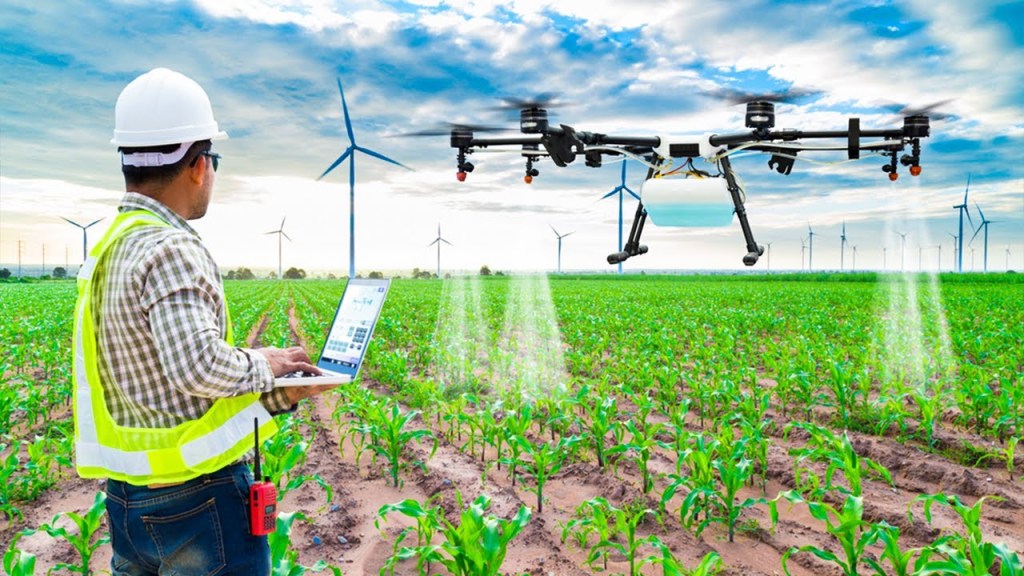
When I stayed in Georgia for a summer, I got to know of a farmer named John. He had been working his land for decades. He was proud of his work and the crops he produced, but he couldn’t help but feel like there was something missing. One day, John’s grandson came to visit and showed him a new app that could help him track weather patterns and soil moisture levels. John was skeptical, but his grandson convinced him to give it a try.
As a farmer, he never thought he’d see the day when technology would become a crucial part of his job. But now, he can’t imagine going back to the way things were before. Innovative tech has transformed the farming industry in ways that we never thought possible. Here are some examples of how technology has helped farmers worldwide:
CLICK HERE FOR A SPECIAL OFFER FROM OUR SPONSORS
1. Precision Agriculture: With the help of GPS and drones, we can now analyze soil, crop, and weather data to make more informed decisions about planting, fertilizing, and harvesting. This has not only increased crop yields but also reduced waste and cost.
2. Automated Farm Equipment: From self-driving tractors to robotic milkers, technology has made farming more efficient and less labor-intensive. With automated farm equipment, we can accomplish tasks in a matter of hours that used to take us days.
3. Sustainable Farming: Innovative tech has also helped us farmers to be more sustainable. For example, we can use sensors to monitor soil moisture and adjust irrigation accordingly, reducing water waste. We can also use biodegradable materials to make packaging and reduce plastic waste.
4. Online Marketplaces: With online marketplaces like Amazon Fresh and Farmigo, we can now reach more customers than ever before. This not only helps us sell more produce but also allows us to connect with consumers in a more personal way.
In conclusion, technology has completely transformed the farming industry and made the lives of farmers easier and more efficient. It has allowed John to produce higher-quality crops, reduce waste, and connect with customers in new ways. He may still use plows, but now he also uses pixels. And he wouldn’t have it any other way.
 CheckYourTech
Leave a comment