What’s up, everybody? Today, we’re gonna talk about two tools that can keep you safe and secure in these digital streets: VPNs and Socks5 proxies. These tools are essential if you want to protect your online privacy and security, but which one should you choose? Let’s break it down.
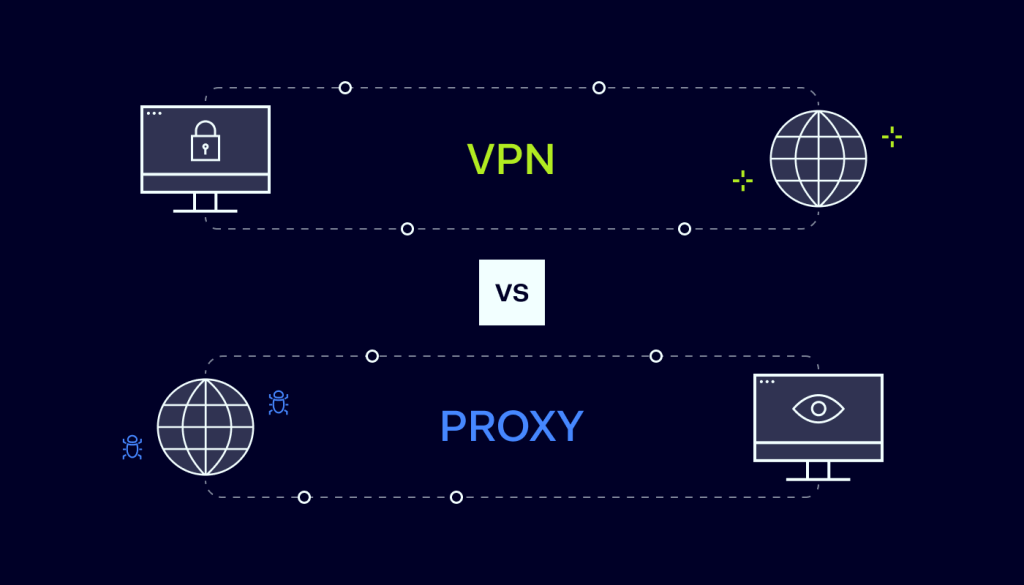
First up, VPNs. A VPN, or virtual private network, encrypts your internet connection and routes it through a remote server, making it difficult for anyone to track your online activities. Some advantages of using a VPN include:
CLICK HERE FOR A SPECIAL OFFER FROM OUR SPONSORS
• High level of security: VPNs offer a high level of encryption, making it difficult for anyone to intercept your internet traffic.
• Access to geographically-restricted content: With a VPN, you can access content that is restricted to certain regions or countries.
• Anonymity: VPNs can hide your IP address and location, making it difficult for anyone to trace your online activities back to you.
However, there are also some disadvantages to using a VPN:
• Slower internet speeds: Because your internet traffic is routed through a remote server, it can slow down your internet speeds.
• Cost: VPNs can be expensive, especially if you want to use a high-quality service.
• Potential for data logging: Some VPNs may log your online activities, which defeats the purpose of using one for privacy.
Now, let’s talk about Socks5 proxies. A Socks5 proxy routes your internet traffic through a proxy server, which can help protect your online privacy and security. Some advantages of using a Socks5 proxy include:
• Faster speeds: Because your internet traffic is only routed through one proxy server, it can be faster than using a VPN.
• Affordable: Socks5 proxies are often cheaper than VPNs, making them a good option if you’re on a budget.
• No data logging: Socks5 proxies do not log your online activities, which can offer a higher level of privacy.
However, there are also some disadvantages to using a Socks5 proxy:
• Lower level of security: Socks5 proxies do not offer the same level of encryption as VPNs, making them less secure.
• Limited access to geographically-restricted content: Some content may still be restricted even if you’re using a Socks5 proxy.
Now that we’ve covered the advantages and disadvantages of both VPNs and Socks5 proxies, let’s talk about how to use them.
To use a VPN, follow these steps:
Step 1: Download and install a VPN client on your device. Step 2: Launch the VPN client and connect to a server of your choice. Step 3: Once connected, your internet traffic will be encrypted and routed through the remote server.
To use a Socks5 proxy, follow these steps:
Step 1: Find a reliable Socks5 proxy provider and sign up for their service. Step 2: Configure your device’s network settings to use the Socks5 proxy server. Step 3: Once configured, your internet traffic will be routed through the proxy server.
In conclusion, both VPNs and Socks5 proxies have their advantages and disadvantages. If you’re looking for a high level of security and anonymity, a VPN may be the best choice for you. However, if you’re looking for faster speeds and a more affordable option, a Socks5 proxy may be a good alternative. It’s important to choose the option that best fits your needs and budget. Stay safe out there!
 CheckYourTech
Leave a comment